
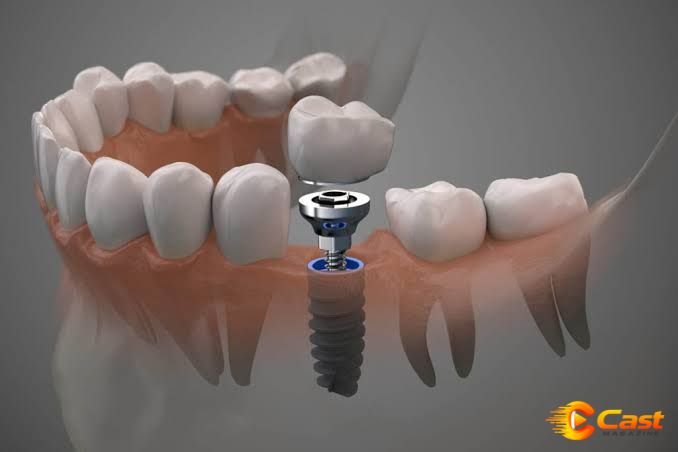
Dental implants have earned their reputation as one of the most dependable ways to replace missing teeth. They are designed to feel stable, look natural, and support everyday functions like chewing and speaking without the movement that some removable options can have. Still, one of the biggest questions people ask before choosing them is simple: how long do dental implants actually last?
The honest answer is that dental implants can last a very long time, but their lifespan depends on several factors. Some people keep them for decades, while others may need adjustments, repairs, or replacement parts sooner. A helpful way to think about implants is not as a one-time procedure that looks after itself, but as a long-term investment that needs the right planning, placement, and care.
When comparing treatment options, it is also useful to read patient-focused educational pages, dental provider explanations, and resources like the temecula center for dental implants website to understand what the procedure involves before making a decision. The more clearly you understand the process, the easier it becomes to ask the right questions during a consultation.
Built to stay, but not magically permanent
Dental implants are often described as long-lasting because the implant post is placed into the jawbone, where it can fuse with the surrounding bone over time. This fusion is what gives implants their strength and stability.
The implant post itself is usually made from a durable material that can withstand years of use. Once healed, it acts like an artificial tooth root. That is why many patients find implants more comfortable and secure than options that rest on top of the gums or depend on nearby teeth for support.
However, “long-lasting” does not mean “impossible to damage.” The implant system includes more than one part. There is the post, the connecting piece, and the visible crown or replacement tooth. While the post may last for many years, the crown may wear down over time, especially for people who grind their teeth, chew very hard foods, or do not maintain regular dental care.
The real number people want to know
Most people want a clear timeline, and that makes sense. Dental implants are a serious investment, so it is reasonable to ask what kind of lifespan you might expect.
In many cases, implants can last longer than ten years, and some can last several decades with good care. The strongest outcomes are usually seen when patients have healthy gums, enough jawbone support, careful surgical planning, and consistent follow-up care after placement. Good daily habits also matter more than many people realize.
That said, no ethical provider should promise that an implant will last forever. Bodies change. Health conditions develop. Biting patterns shift. Bone and gum health can improve or decline over time. A patient who takes excellent care of an implant has a better chance of long-term success, but even then, occasional maintenance may still be needed.
What can shorten the life of a dental implant?
Implants are strong, but they live in a busy environment. Your mouth handles pressure, bacteria, temperature changes, and constant movement every single day. Over time, those forces can affect the health of the implant and the tissues around it.
One major risk is poor oral hygiene. While an implant cannot get a cavity, the gum and bone around it can still become inflamed or infected. If plaque and bacteria build up around the implant, the supporting tissues may weaken. That can eventually affect stability and comfort.
Another factor is overall health. Conditions that affect healing, inflammation, or bone health may influence the success of treatment. Smoking can also raise the risk of complications because it can affect blood flow and healing. This is why a careful consultation, as Premier Center for Oral, Dental Implant & Facial Surgery explains, can help patients understand their personal risk factors before treatment moves forward, which often leads to better planning.
The crown may need attention before the implant does
Many people hear that implants can last for decades and assume every part of the restoration will last that long. In reality, the visible crown often has a shorter lifespan than the implant post.
This does not mean the implant has failed. A crown is exposed to daily chewing forces, staining foods and drinks, and normal wear. Over time, it may need to be repaired or replaced to keep the smile looking and functioning its best. This is similar to how natural dental work can need maintenance after years of use.
The good news is that replacing a crown is usually much less involved than replacing the implant post itself. If the implant remains healthy and stable, updating the visible portion can refresh the appearance and function without starting the entire process over again.
Daily habits make a bigger difference than people think
The long-term success of dental implants is not only determined on the day they are placed. What happens afterward matters just as much.
Brushing, flossing, and keeping regular dental visits are still essential. Some patients may need special tools to clean around their implant more effectively. Others may benefit from a nightguard if they grind or clench their teeth. These small steps can protect both the implant and the surrounding tissues.
It is also important to pay attention to warning signs. Bleeding gums, swelling, discomfort, looseness, or changes in the way the bite feels should not be ignored. Early treatment is often simpler than waiting until a small issue becomes a larger problem.
Are dental implants worth it?
For many people, dental implants are worth considering because they offer stability, comfort, and a natural-looking result. They can help restore confidence, make eating easier, and protect the structure of the mouth by replacing missing tooth roots.
Still, they are not the only option. Dentures, bridges, or other treatments may be better for some patients depending on budget, health, bone support, and personal preferences. A fair decision should compare the benefits, limitations, maintenance needs, and long-term costs of each option.
The best candidate is usually someone who wants a fixed replacement, has realistic expectations, and is willing to care for the implant over time. With the right foundation and ongoing maintenance, dental implants can be one of the most reliable tooth replacement choices available.
A lasting smile starts with realistic expectations
Dental implants can last many years, and in some cases, decades. Their success depends on skilled planning, healthy bones and gums, good daily care, and regular professional checkups.
The most balanced way to view implants is this: they are built for long-term use, but they still need attention. Treat them well, protect your oral health, and respond quickly to any changes. With that mindset, dental implants can offer a strong, comfortable, and natural-feeling solution for the long run.
Visit For More Info: Cast Magazine