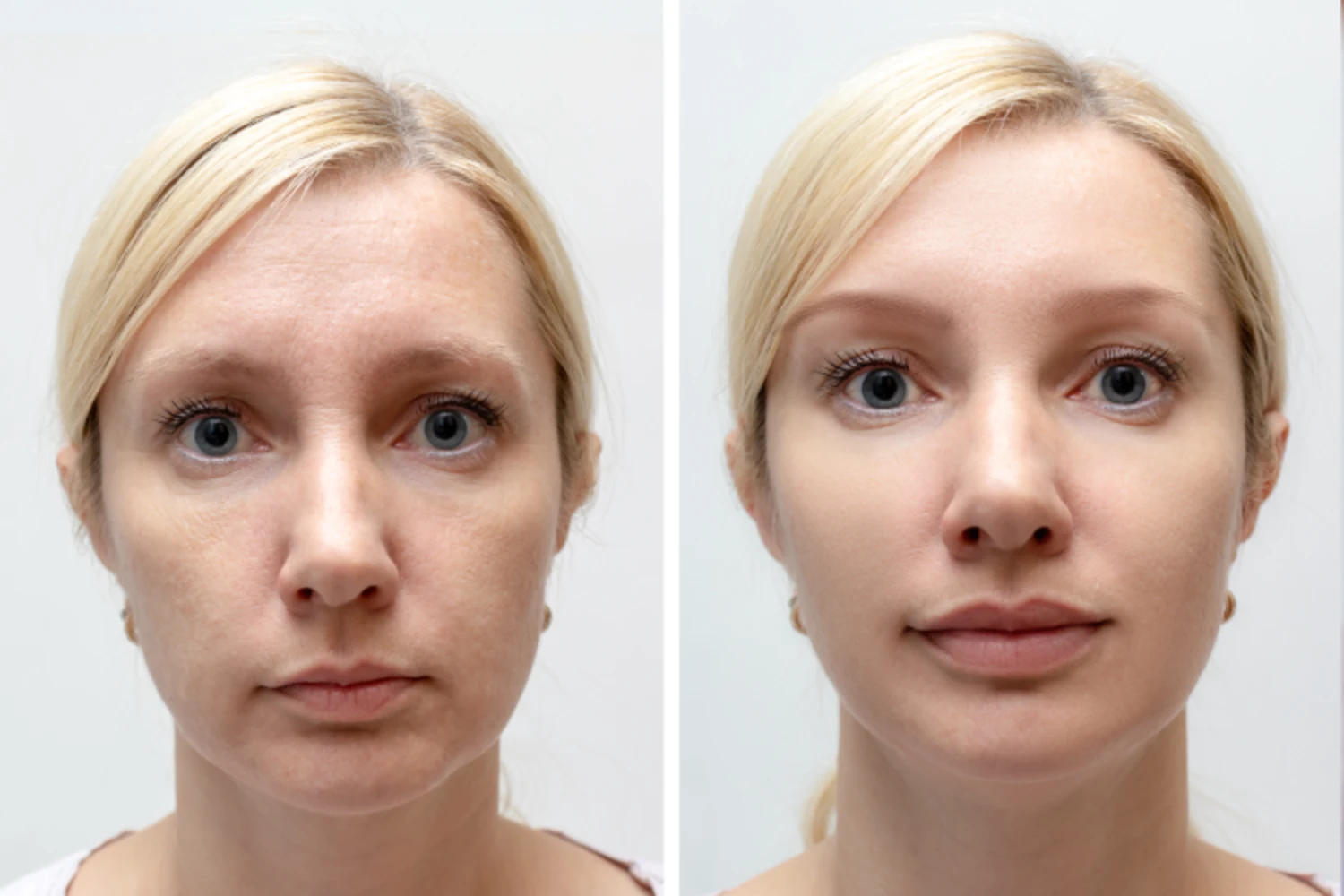
Missing a tooth can feel bigger than a small gap in your smile. It can change how you chew, how clearly you speak, how confident you feel in photos, and even how the teeth around the space behave over time. The good news is that modern dentistry offers more than one reliable way to replace a missing tooth.
Two of the most common options are dental implants and dental bridges. Both can restore appearance and function, but they work in different ways. The best choice often depends on your oral health, timeline, budget, comfort level, and long-term goals.
Two paths to the same goal
Both dental implants and bridges are designed to replace missing teeth, but they solve the problem from different angles.
A dental bridge uses the neighboring teeth as support. In a traditional bridge, the teeth on either side of the gap are prepared for crowns, and an artificial tooth is attached between them. Once placed, the bridge fills the space and allows you to chew and smile more naturally.
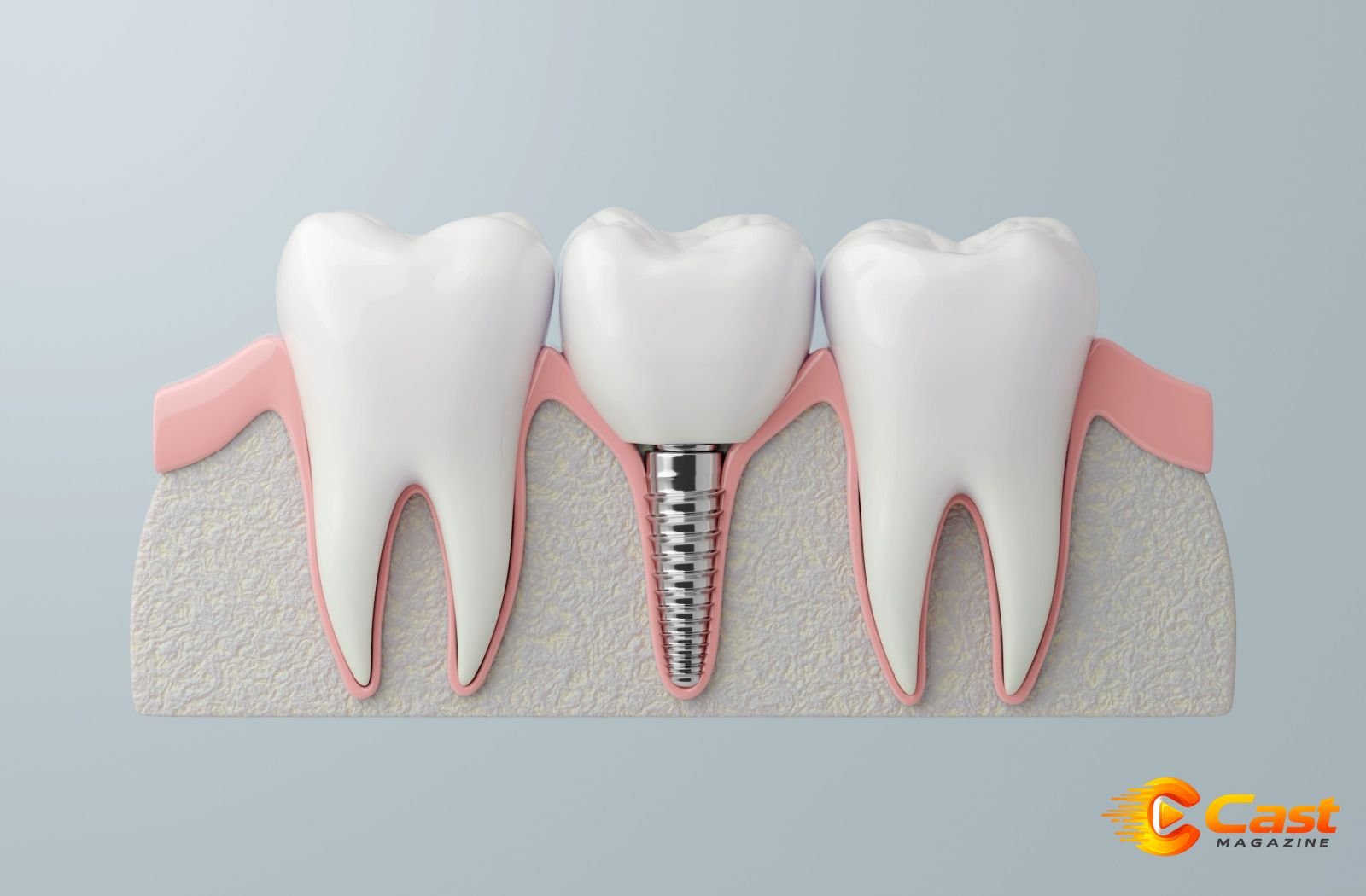
A dental implant replaces the missing tooth root with a post placed in the jawbone. After the area heals, a crown is attached to the implant. This gives the replacement tooth its own support, rather than relying on the teeth next to it.
For patients missing several teeth, implant-supported options may also be discussed, especially when stability is a major priority. In some full-arch cases, a secure technique for anchoring a full bridge may be part of the conversation, depending on the patient’s needs and whether they are a good candidate.
Why dental bridges still make sense
Dental bridges have been used for a long time because they are practical, familiar, and effective in the right situation.
One of the biggest advantages of a bridge is speed. Since a bridge usually does not require implant surgery, the treatment process can often be completed faster than an implant. That matters when someone wants a fixed replacement sooner or is not ready for a longer healing period.
Bridges can also be appealing from a cost perspective. In many cases, the upfront cost of a bridge is lower than the upfront cost of an implant. Insurance may also treat bridges differently than implants, which can influence the final out-of-pocket expense.
A bridge may be a strong option when the neighboring teeth already need crowns or have large restorations. In that case, using those teeth for support may make sense because they already need dental work. For some patients, this can feel like solving several issues at once.
Still, bridges are not perfect. A traditional bridge usually requires reshaping the teeth beside the gap. If those teeth are healthy, this can be a drawback. Bridges also do not replace the missing tooth root, which means they do not stimulate the jawbone in the same way a natural root or implant can.
Why dental implants get so much attention
Dental implants are often praised because they replace more than the visible part of the tooth.
Since an implant is placed into the jawbone, it functions more like a natural tooth root. This can help maintain bone in the area where the tooth was lost. That is one of the biggest long-term differences between an implant and a traditional bridge.
Implants also stand independently. They do not require the neighboring teeth to be reshaped for support, which can be an important benefit when those teeth are healthy. For many people, preserving natural tooth structure is a major reason to consider an implant.
Another advantage is durability. While the crown on top of an implant may eventually need replacement, the implant itself is designed as a long-term foundation. With good care, regular dental visits, and healthy gums, implants can provide lasting stability.
The tradeoff is that implants usually require more time. The implant must integrate with the bone before the final restoration is placed, and that healing period can take months. Some patients may also need additional treatment before implant placement if there is not enough healthy bone.
Cost is not just about the first bill
When comparing bridges and implants, it is tempting to focus only on the initial price.
A bridge may cost less at the beginning, which can be helpful for patients working within a strict budget. However, bridges may need replacement later, especially if the supporting teeth develop decay, gum problems, or structural issues.
Implants may cost more upfront, but they may offer better long-term value for certain patients because they do not depend on neighboring teeth. The right way to compare cost is to look at the full picture: expected lifespan, maintenance, possible future repairs, insurance coverage, and the health of the teeth around the missing space.
A lower upfront cost is not automatically the wrong choice. A higher upfront cost is not automatically the better choice. The most sensible option is the one that fits your mouth, your health, and your realistic long-term plan.
Comfort, care, and daily life
Both bridges and implants can feel comfortable once the mouth has adjusted.
A well-made bridge should feel stable and natural when chewing. However, cleaning around a bridge takes extra attention because food and plaque can collect beneath the artificial tooth. Special flossing tools or water flossers may be recommended to keep the area clean.
Implants are also cared for with brushing, flossing, and routine dental visits. They cannot get cavities, but the gum and bone around them still need to stay healthy. Poor oral hygiene, smoking, and untreated gum disease can create problems around an implant.
In daily life, both options can improve confidence, chewing strength, and speech. The difference is usually less about how they look on day one and more about how they interact with the surrounding teeth and bone over time.
The fairest answer is personal
There is no universal winner in the dental implants vs. bridges debate.
A bridge may be better for someone who wants a faster solution, wants to avoid surgery, has neighboring teeth that already need crowns, or needs a lower initial cost. An implant may be better for someone who wants an independent replacement, wants to preserve nearby teeth, has healthy bone, and is comfortable with a longer treatment timeline.
Your dentist or oral surgery provider will look at the missing tooth area, gum health, bone levels, bite, medical history, and budget before making a recommendation. That evaluation matters because the best tooth replacement is not just the one that looks good in a comparison chart. It is the one that works well in your actual mouth.
Replacing a missing tooth is a decision worth taking seriously. Whether you choose a bridge or an implant, the goal is the same: a healthier bite, a more confident smile, and a solution that supports your quality of life for years to come.
Visit For More Info: Cast Magazine