Walking into a firearm training course for the first time can bring up a mix of curiosity, nerves, and practical questions. You may wonder whether the class will feel intense, whether you need prior experience, or whether everyone else will already know what they are doing. The reality is usually much more approachable than people expect. A good course is built around structure, patience, safety, and steady progress.
Most students are not there to prove anything. Some want to become more confident around firearms. Others need training for work, licensing, personal responsibility, or a better understanding of how firearms function. Whatever the reason, the best classes do not rush students into shooting before they understand the basics. They begin with the mindset, rules, and habits that make responsible firearm handling possible.
That early focus matters because firearm training is not only about marksmanship. It is also about discipline, awareness, communication, and knowing your limits. Learning safe handgun practices gives students a foundation they can build on without feeling overwhelmed or pressured.
The class usually starts with expectations and safety rules
Before anyone handles a firearm, instructors typically explain how the course will run. This may include classroom time, range rules, instructor commands, emergency procedures, and what students should do if they feel unsure at any point. This first portion helps everyone settle in and understand that safety is not treated as a side note.
Students are usually introduced to core firearm safety principles, such as keeping the muzzle pointed in a safe direction, keeping fingers away from the trigger until ready to shoot, and treating every firearm with respect. These rules may sound simple, but repeating them in a controlled setting helps turn them into habits.
A balanced course also explains why these rules exist. Instead of just telling students what not to do, a strong instructor helps them understand how small lapses can create risk. That kind of explanation builds respect without relying on fear.
You will learn how the firearm works before shooting
Once the safety foundation is clear, the course often moves into firearm familiarization. This is where students learn the basic parts of the firearm, how it operates, and what to expect when handling it. The instructor may explain the magazine, slide, sights, trigger, safety features, ammunition, and loading process.
For beginners, this part can be one of the most helpful sections of the day. Many people feel nervous because they do not yet understand what they are holding. Once they learn how the firearm functions, what each part does, and how to check whether it is loaded or unloaded, the experience often becomes less intimidating.
This stage should not feel rushed. Some students need extra time to ask questions, practice handling, or repeat loading and unloading procedures under supervision. That is normal. Responsible training gives people room to learn carefully rather than pretending everyone absorbs information at the same speed.
Range time is controlled, coached, and gradual
When students move to live fire, the pace is usually slow and deliberate. Instructors often begin with close paper targets and simple shooting drills. The purpose is not to create stress. It is to help students apply what they learned in the classroom while receiving direct guidance.
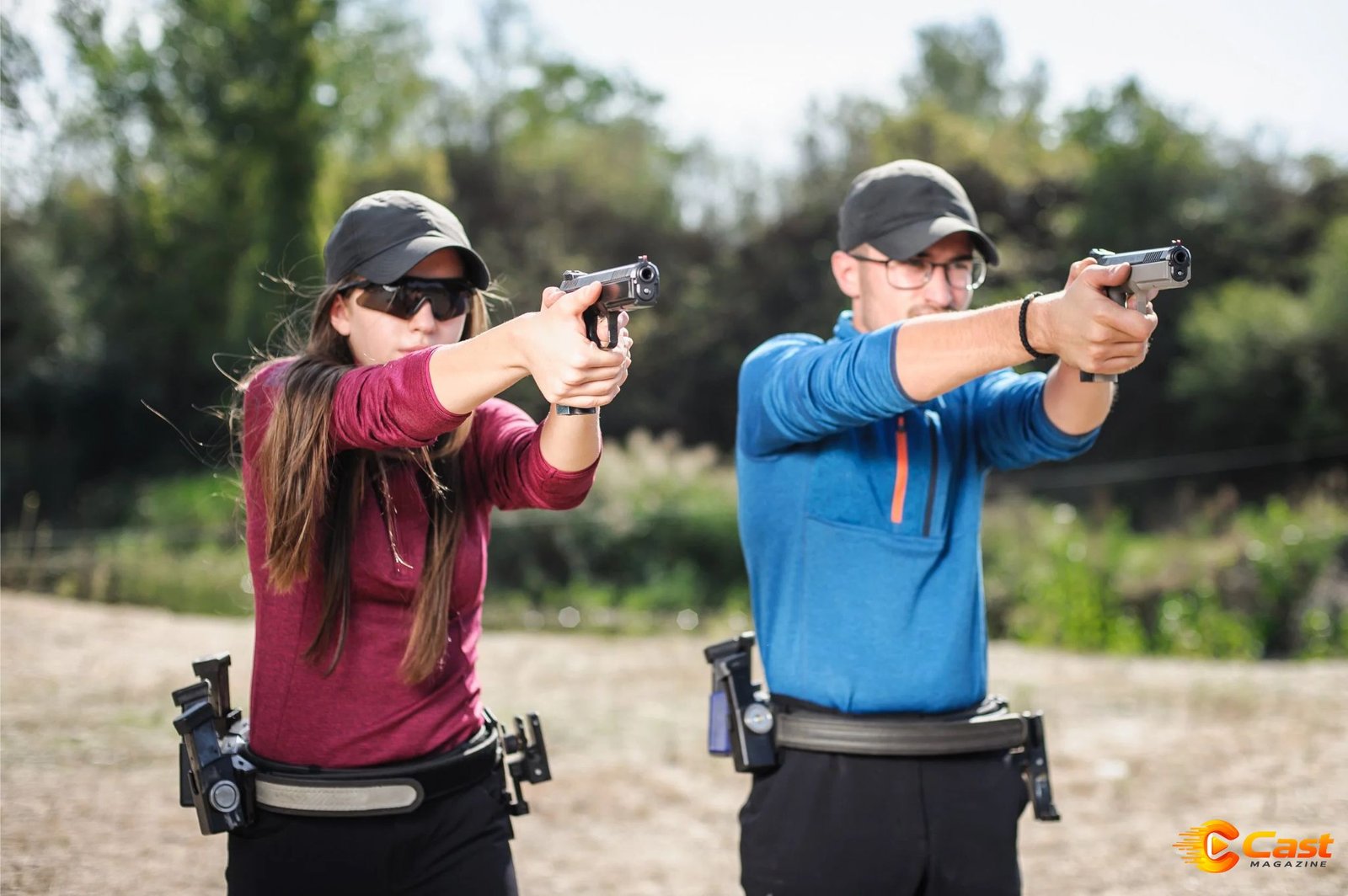
At this point, instructors may focus on stance, grip, sight alignment, breathing, and trigger control. They may also watch for common patterns, such as shots drifting low, left, high, or scattered. A good instructor corrects these issues calmly, without embarrassment or unnecessary pressure.
The range environment can feel loud and intense at first, especially for new shooters. That is why clear communication, professional supervision, and calm decision-making matter so much. For armed security officers, firearm training is not just about hitting a target. It is about understanding when force may be necessary, how to remain composed under pressure, and how to protect people without creating unnecessary risk.
That same mindset is important in real-world protective work, where companies that provide trained security personnel, www.guardsoncall.us/ for example, are often expected to prioritize readiness, judgment, and public safety. The goal of training is to help students see that responsible firearm use depends on discipline long before a firearm is ever drawn.
Safety gear and preparation make the day easier
Most firearm training courses require eye and ear protection. Some facilities provide this equipment, while others ask students to bring their own. Either way, protection is not optional because range noise and debris can create avoidable risks.
Students may also be advised to wear comfortable clothing, closed-toe shoes, and a shirt that allows easy movement. A brimmed hat can help prevent hot brass from landing near the face or collar. These details may seem minor, but they can make the training experience much more comfortable.
It is also smart to arrive rested, focused, and willing to listen. Firearm training requires attention. Students do not need to be experts, but they do need to be mentally present and open to instruction.
Good instructors adapt to the students
One of the most important signs of a quality firearm training course is personalized coaching. Not every student arrives with the same comfort level, physical ability, or learning style. Some people need more time with the basics. Others may already have experience but want to fix bad habits.
A fair instructor recognizes those differences. They do not shame nervous students or rush people into drills they are not ready for. At the same time, they should maintain firm safety standards. Encouragement is important, but firearm training still requires accountability.
This balance is what separates responsible coaching from casual instruction. Students should feel supported, but they should also understand that safety rules are non-negotiable.
Training is about confidence, not overconfidence
A firearm training course can help students feel more capable, but the best outcome is not overconfidence. Responsible training teaches people that there is always more to learn. Even experienced shooters benefit from reviewing fundamentals, practicing under supervision, and staying humble.
Students should leave with a clearer understanding of firearm handling, range expectations, and their own current skill level. They may also leave with specific areas to improve, such as grip consistency, trigger control, or comfort under range conditions.
That is a positive thing. Training is not a one-day transformation. It is the beginning of better habits.
A thoughtful course makes responsibility the main lesson
The most valuable firearm training courses do more than teach people how to shoot. They teach students how to think, pause, listen, and act responsibly. From classroom safety rules to supervised live fire, every step should reinforce control and awareness.
For beginners, the experience can remove uncertainty and replace it with structured knowledge. For experienced students, it can sharpen fundamentals and reveal areas that need attention. Either way, a good course respects the seriousness of firearm ownership while creating an environment where students can learn without feeling judged.
That combination of patience, structure, and accountability is what makes firearm training worthwhile.
Visit For More Info: Cast Magazine